
Ideas, details & craftsmanship
How to choose metal table legs: 5 checks before you buy
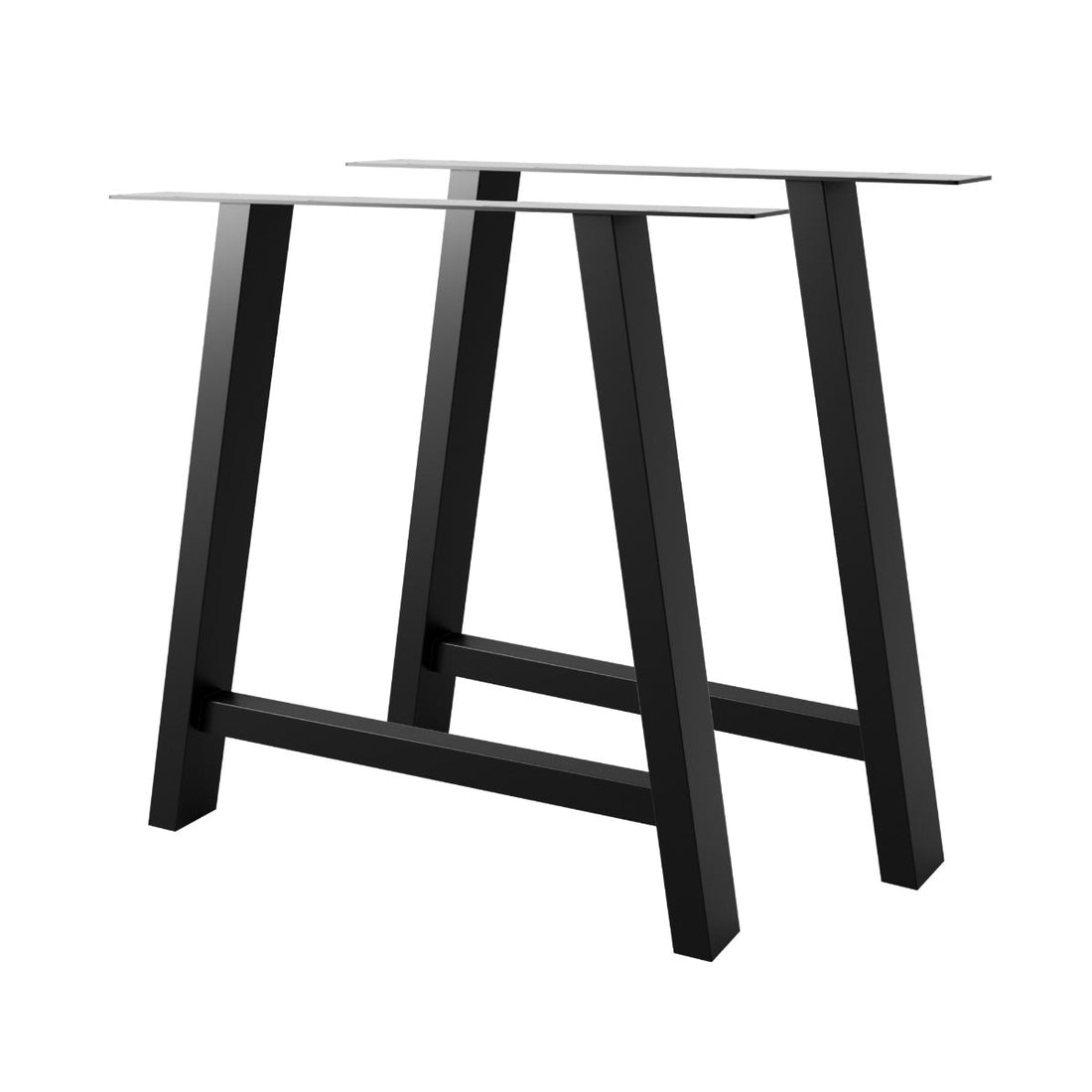
The right table legs need to suit the tabletop, the chairs and the way you use the room. Before choosing a shape, check five things: finished height, tabletop dimensions, seating space, mounting details and the specifications of the complete assembly.
1. Start with the finished table height
The height of the legs alone is not the height of the finished table. Add the tabletop thickness and any feet or spacers. For example, 72 cm legs and a 3 cm top give a nominal height of 75 cm before any additional components. This is an arithmetic example, not a recommendation for every table.
Measure your existing chairs, including armrests. Check the clearance below the tabletop and any supporting frame, not just the distance from the floor to the top surface.
2. Match the base to the tabletop
Record the length, width, thickness and material of the top. A long rectangular top and a compact round top need different support layouts. Compare the manufacturer's recommended tabletop dimensions with your own measurements.
Do not infer load capacity from the shape or appearance of the steelwork. Suitability also depends on the tabletop, mounting hardware and assembly. For stone, glass or an unusually heavy top, confirm the complete mounting solution before ordering.
3. Compare shapes and seating space
| Design | What to check |
|---|---|
| U-shaped legs | Position of the uprights relative to chairs and the usable width between them. |
| A-shaped or trapezoid legs | Whether the sloping sides leave enough knee and foot space. |
| Full table base | Frame dimensions, crossbars and clearance at the ends of the table. |
Mark the planned leg positions on the floor with masking tape and place the chairs around them. This simple check can reveal an awkward seating position before you commit to a base.

4. Check the mounting details
Review the mounting plate, hole positions and instructions for your chosen model. Fasteners must suit the tabletop material and thickness; do not select screw lengths without checking the available depth. Solid wood changes dimension with humidity, so the fixing arrangement must accommodate movement as specified by the tabletop supplier.
If the tabletop has inserts or prepared holes, compare their positions with the base drawing before purchase. Do not assume that mounting hardware is included: check the individual product description.
5. Choose a finish for the intended setting
Match the colour to the room, but also check the intended environment. A coated metal leg is not automatically suitable for outdoor use. Follow the product's declared application and care instructions. Protect the floor with compatible feet or pads.
Three models to compare
- Thusia — review the available size variants against your tabletop.
- Thusia A Lite — compare the trapezoid outline with your seating layout.
- Thusia Lite — explore the U-shaped option.
Check the current product page for dimensions, supplied components and the chosen variant before ordering.
Before you order
- Record the tabletop dimensions, material and weight.
- Calculate the finished table height.
- Check chair, knee and armrest clearance.
- Confirm compatibility of the base, tabletop and fasteners.
- Verify the finish is suitable for the intended environment.
Once these checks are complete, choosing the shape and colour becomes much easier: you can focus on designs that fit your table and your room.
More ideas for your next project
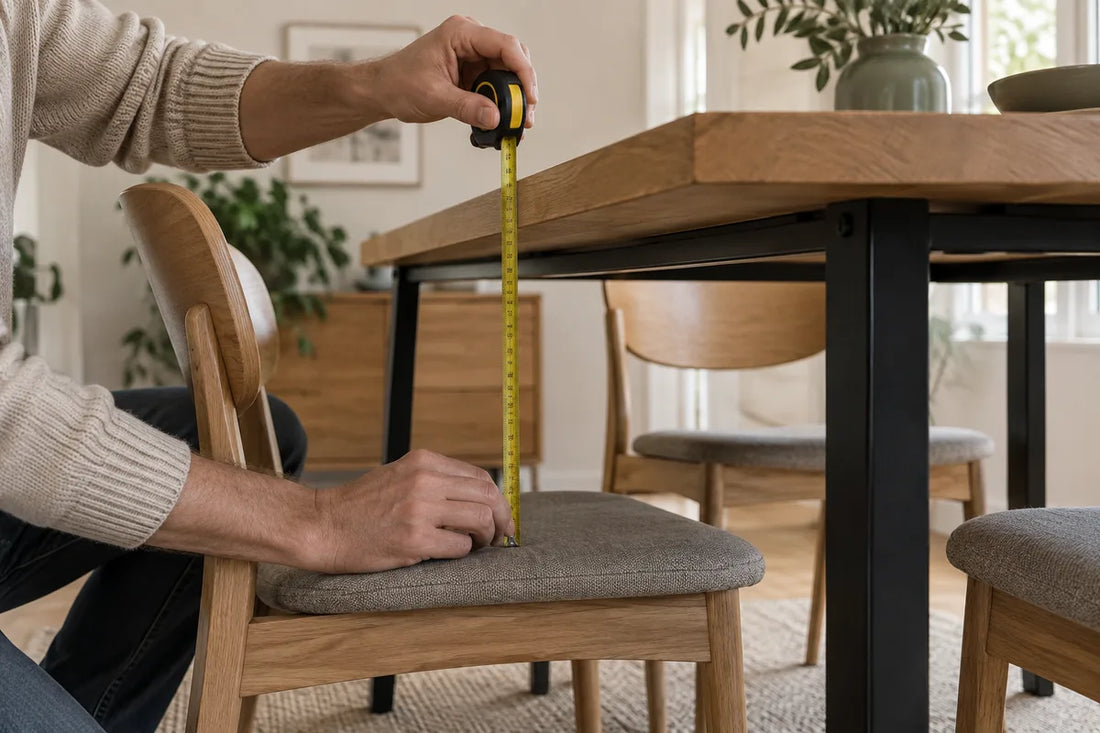
Dining table height: choosing legs for your top and chairs
Calculate table-leg height from your tabletop thickness, check chair clearance and compare a 72 cm base with your planned dining table.
Read the guide : Dining table height: choosing legs for your top and chairs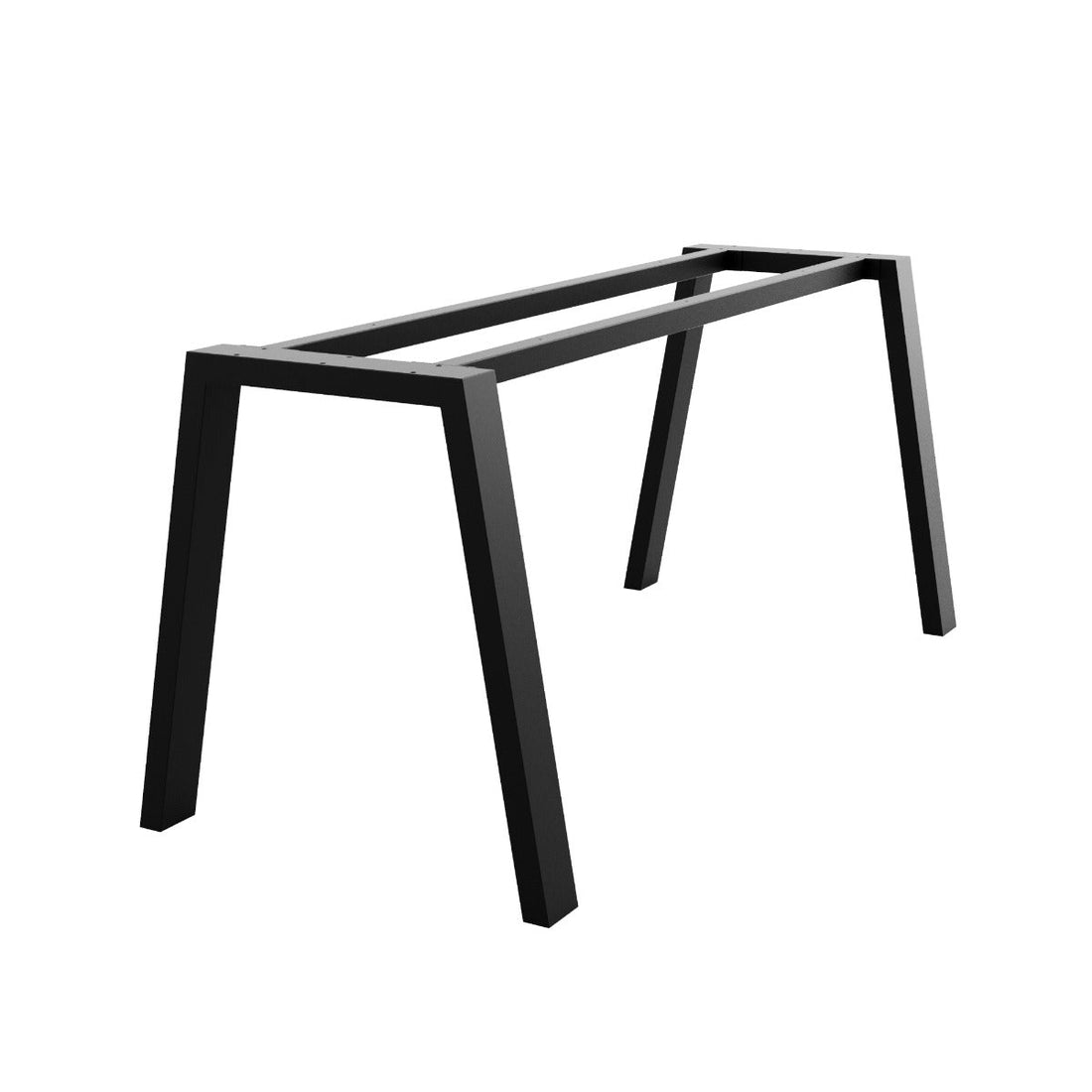
Why metal table legs are ideal for modern interiors
Metal table legs combine clean design, stability and long service life. This guide explains how to match them with wood, glass or stone tops.
Read the guide : Why metal table legs are ideal for modern interiors